
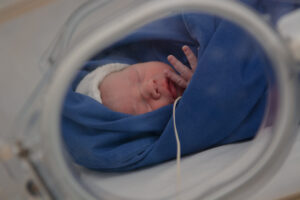
When a baby does not receive enough oxygen during labor and delivery, every second counts. Birth asphyxia occurs when oxygen deprivation during or around the time of birth causes serious complications that can lead to permanent brain damage, developmental disabilities, or death. Medical teams must recognize warning signs immediately and respond with life-saving interventions. When they fail to do so, babies suffer preventable harm.
If your child suffered birth asphyxia due to medical negligence, Dominguez Law Firm helps New Mexico families seek justice. With over $30 million recovered in settlements and a 99% success rate, our team understands the devastating impact of preventable birth injuries and fights to secure the resources your family needs for your child’s future.
Birth asphyxia happens when a baby’s brain and organs don’t receive adequate oxygen before, during, or immediately after birth. According to the National Institutes of Health, this oxygen deprivation can cause profound systemic and neurological complications when blood flow or gas exchange is compromised.
The severity depends on how long the baby goes without sufficient oxygen and how quickly medical professionals intervene. When oxygen levels drop, babies experience hypoxemia and hypercapnia. If the oxygen deprivation is severe enough, vital organs develop an oxygen debt, leading to anaerobic metabolism and dangerous lactic acidosis.
The brain is particularly vulnerable to oxygen deprivation. Even brief periods without adequate oxygen can cause permanent neurological damage. Healthcare providers should monitor for signs of oxygen deprivation throughout labor and delivery.
Several complications during pregnancy and delivery can lead to oxygen deprivation. Understanding these causes helps identify when medical negligence may have contributed to your child’s injury.
Umbilical cord problems represent one of the most common causes. When the cord becomes compressed, wraps around the baby’s neck, or develops a knot, blood flow and oxygen delivery can be severely restricted. Medical teams should monitor for these issues through electronic fetal monitoring and respond quickly when they detect concerning patterns.
Placental complications cut off or reduce the baby’s oxygen supply. Placental abruption occurs when the placenta separates from the uterine wall prematurely, immediately cutting off oxygen delivery. Placental insufficiency means the placenta is not functioning properly to deliver nutrients and oxygen throughout pregnancy.
When labor stalls or babies become stuck in the birth canal, they may not receive adequate oxygen. Medical professionals should recognize when labor is not progressing normally. Taking appropriate action includes performing emergency cesarean sections when necessary.
Maternal health conditions, including preeclampsia, infections, and blood pressure problems, affect oxygen delivery to the baby. Doctors should carefully monitor high-risk pregnancies and be prepared to intervene when complications arise.
Medical professionals must closely monitor both mothers and babies for signs of oxygen deprivation. Missing or ignoring these warning signs can lead to preventable harm to newborns and their families.
Electronic fetal monitoring provides crucial information about the baby’s heart rate and oxygen levels. Abnormal heart rate patterns, especially decelerations that don’t recover quickly, can indicate the baby is not getting enough oxygen.
Medical teams should respond immediately to these warning signs by repositioning the mother, providing supplemental oxygen, or preparing for emergency delivery. Meconium in the amniotic fluid, indicated by greenish or brownish fluid, can signal fetal distress.
Babies with birth asphyxia may not cry immediately or breathe on their own. Their muscle tone may be weak or floppy. Skin color may appear blue or pale rather than the healthy pink of a well-oxygenated newborn.
Apgar scores assess newborns’ condition at one and five minutes after birth. Low scores should trigger immediate medical intervention. Seizures in newborns, difficulty feeding, extreme lethargy, or abnormal movements can all indicate that birth asphyxia has caused neurological damage.
The long-term consequences of birth asphyxia depend on how severe the oxygen deprivation was and which areas of the brain were affected. Some children recover fully with prompt treatment, while others face lifelong challenges.
Cerebral palsy is one of the most common long-term complications. This group of disorders affects movement, muscle tone, and posture. Children with cerebral palsy may need physical therapy, assistive devices, and ongoing medical care throughout their lives.
Cognitive and developmental delays can range from mild learning difficulties to severe intellectual disabilities. Children may struggle in school, have language development difficulties, or need educational support.
Epilepsy and seizure disorders often develop in children who experienced birth asphyxia. Managing seizures typically requires long-term medication and monitoring. Vision and hearing problems can result when oxygen deprivation affects the parts of the brain processing these senses.
Not every case of birth asphyxia represents medical malpractice. However, when healthcare providers fail to meet the accepted standard of care, they should be held accountable for the harm they cause.
When medical teams don’t use fetal monitoring appropriately, don’t check it frequently enough, or ignore concerning patterns, they miss critical opportunities to prevent oxygen deprivation. Proper monitoring throughout labor and delivery is essential for detecting signs of fetal distress.
Doctors who wait too long to perform an emergency cesarean section or delay other necessary interventions turn manageable situations into catastrophic ones. Babies can suffer severe birth injuries during those lost minutes.
Improper use of labor-inducing drugs like Pitocin can cause excessive contractions, depriving babies of oxygen. Medical professionals must carefully monitor the effects of these medications and adjust dosages appropriately.
Caring for a child with disabilities caused by birth asphyxia changes every aspect of family life. While no amount of money can undo what happened, compensation from a medical malpractice claim can provide the resources your family needs.
At Dominguez Law Firm, we understand how overwhelming this situation feels. As a fifth-generation New Mexican, Attorney Paul M. Dominguez has deep roots in the community and a commitment to helping families throughout our state. Our team has handled over 300 cases since 2012, and we work on a contingency fee basis. If you suspect medical negligence during pregnancy, labor, or delivery caused your child’s birth injury, contact us to discuss your situation. Se habla español.