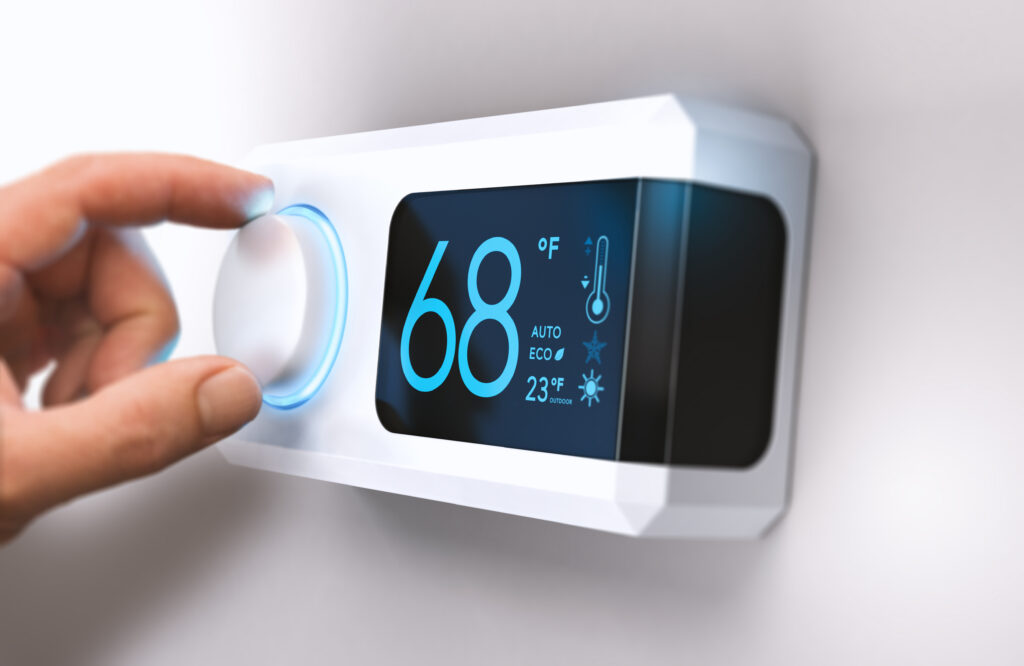
Extreme temperatures in the workplace can cause serious injuries. Workers in New Mexico face both scorching summer heat and bitter winter cold, which can lead to heat exhaustion, heatstroke, frostbite, and hypothermia. When employers fail to provide safe working conditions and temperature-related injuries occur, they may be held liable beyond the limits of workers’ compensation.
At Dominguez Law, we have secured over $30 million in settlements and verdicts for injured clients across New Mexico with a 99% success rate. We know how to hold negligent employers accountable when their failure to protect workers from dangerous temperatures leads to serious injuries.
Common Temperature-Related Workplace Injuries
Heat-related injuries occur when the body cannot cool itself properly. Heat exhaustion symptoms include heavy sweating, weakness, dizziness, nausea, and muscle cramps. If left untreated, heat exhaustion can progress to heatstroke, which is a medical emergency. Heatstroke causes confusion, loss of consciousness, seizures, and can result in permanent organ damage or death.
Cold-related injuries are equally serious. Frostbite occurs when skin and tissue freeze, most commonly affecting fingers, toes, ears, and the nose. Severe frostbite can cause permanent tissue damage and may require amputation. Hypothermia happens when the body loses heat faster than it can produce it, causing body temperature to drop to dangerously low levels. This can lead to confusion, heart problems, and death if not treated quickly.
When Employers Can Be Held Liable Beyond Workers’ Compensation
Most workplace injuries are covered by workers’ compensation, which provides medical benefits and wage replacement without requiring proof of employer fault. However, workers’ compensation limits your ability to sue your employer for the full extent of your damages. There are important exceptions where you may be able to pursue a personal injury lawsuit against your employer or other parties.
If your employer intentionally created dangerous conditions or acted with gross negligence, you may have grounds to sue beyond workers’ compensation. For instance, if an employer knowingly forces workers to labor in extreme heat without water, breaks, or shade despite warnings from safety inspectors, this may constitute gross negligence. Similarly, requiring outdoor workers to work in freezing temperatures without proper protective gear or warm shelters could support a liability claim.
Third-party liability is another avenue for compensation. If a defective air conditioning system or heating unit caused your injury, you may be able to sue the manufacturer or maintenance company. If you work at a site controlled by a company other than your direct employer, that company may be liable for failing to maintain safe temperature conditions.
OSHA Standards for Temperature Safety
The Occupational Safety and Health Administration requires employers to provide a workplace free from recognized hazards that could cause death or serious physical harm. While OSHA does not have a specific temperature standard for most industries, it requires employers to address hazardous conditions, including extreme heat and cold.
OSHA recommends employers implement heat illness prevention programs when temperatures reach dangerous levels. This includes providing water, rest breaks, and shade for outdoor workers. Employers should also train workers to recognize heat illness symptoms and allow gradual acclimatization for new workers or those returning after time away.
For cold environments, OSHA recommends employers provide warm break areas, allow workers to warm up frequently, and provide appropriate cold-weather protective clothing. Employers should monitor weather conditions and adjust work schedules or provide additional protections when temperatures drop to dangerous levels.
Signs Your Employer May Be Liable
Several warning signs suggest your employer may be liable for your temperature-related injury. If your employer ignored repeated complaints about dangerous temperatures, refused to provide basic protections like water or breaks, continued operations during extreme weather warnings, or failed to train workers on temperature hazard recognition, you may have a claim beyond workers’ compensation.
Employer retaliation is another red flag. If you reported unsafe temperature conditions and were disciplined, demoted, or fired, this could strengthen your case. New Mexico law protects workers who report safety violations.
What Damages Can You Recover in a Liability Claim?
Workers’ compensation typically covers medical expenses and a portion of lost wages, but it does not compensate you for pain and suffering, emotional distress, or punitive damages. A successful personal injury claim can provide compensation for all of these damages.
Medical expenses in a personal injury claim include all past and future treatment costs related to your injury. Lost wages cover not only time missed from work but also reduced earning capacity if your injury prevents you from returning to your previous job. Pain and suffering damages compensate you for physical pain, emotional distress, and reduced quality of life. In cases of gross negligence or intentional harm, punitive damages may be awarded to punish the employer and deter similar conduct.
Steps to Take After a Temperature-Related Workplace Injury
If you suffer a temperature-related injury at work, seek immediate medical attention. Heat stroke and hypothermia are medical emergencies that require prompt treatment. Even if your symptoms seem mild, getting evaluated by a doctor creates a medical record linking your injury to workplace conditions.
Report the injury to your employer in writing as soon as possible. Document the conditions that caused your injury, including the temperature, whether protective equipment or accommodations were provided, and any previous complaints about unsafe conditions. Take photos of the work environment if possible, and get contact information from any witnesses.
File a workers’ compensation claim even if you plan to pursue a personal injury lawsuit. You may be entitled to both workers’ compensation benefits and additional damages through a liability claim. Consult with an attorney before giving recorded statements to insurance companies or signing any settlement agreements. Insurance companies often try to minimize payouts by getting injured workers to accept quick settlements that do not fully compensate them for their injuries.
Industries with Higher Risk of Temperature-Related Injuries
Certain industries in New Mexico have particularly high risks for temperature-related injuries. Construction workers often labor outdoors in extreme heat with limited shade or cooling options. Oil and gas workers face both heat exposure in the summer and cold exposure in the winter, often working long shifts in remote locations. Warehouse and factory workers may work in facilities without adequate climate control. Agricultural workers spend long hours in direct sunlight during peak heat periods. Transportation workers, including truck drivers and delivery personnel, often work in vehicles without reliable climate control.
If you work in any of these industries and have suffered a temperature-related injury, you may have options beyond workers’ compensation.
Contact Dominguez Law
Temperature-related workplace injuries can have devastating consequences for your health and your ability to work. Employers have a legal duty to protect their workers from dangerous temperature extremes. When they fail in this duty and you suffer injury as a result, you deserve full compensation for your losses. At Dominguez Law, we have been fighting for injured workers across New Mexico for over a decade. With more than 300 successfully resolved cases and over $30 million in settlements and verdicts, we know how to build strong cases against negligent employers.
Our initial consultations are free of charge, and we work on a contingency fee basis, which means you do not pay unless we win. We take calls on the weekends. Contact us today to discuss your case and learn how we can help you pursue the compensation you deserve.