
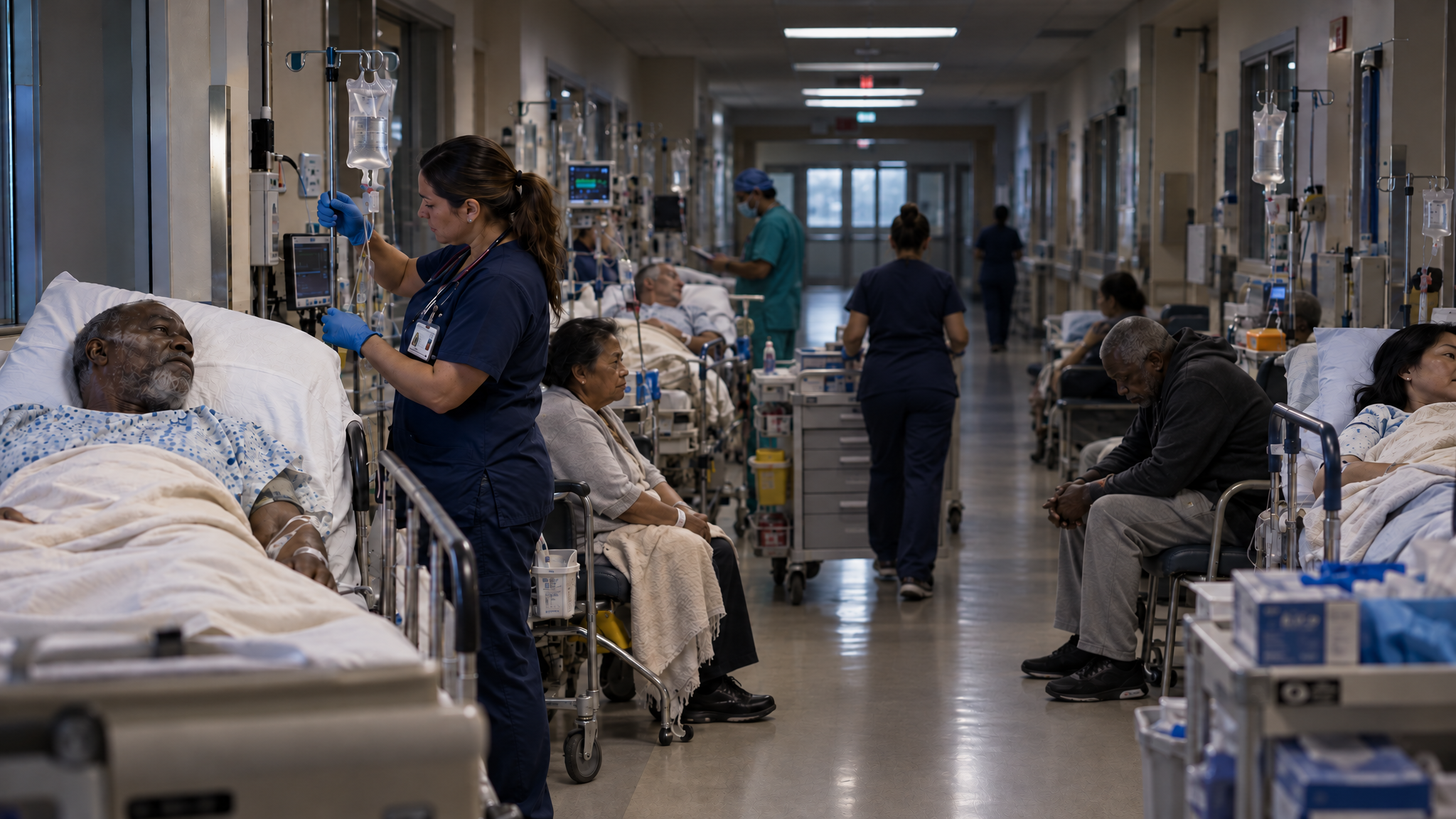
When you go to an emergency room, you expect someone to recognize how urgently you need help. You may not know what is causing your symptoms, but you trust the medical team to assess your condition and respond appropriately.
That process begins with triage. When serious symptoms are overlooked, a patient receives an inappropriately low priority, or worsening symptoms go unaddressed, necessary treatment can be delayed. For patients and their families, the consequences may be life-changing.
Not every emergency room wait is evidence of negligence. But when a triage failure falls below the accepted standard of care and causes preventable injury, it may support a medical malpractice claim.
Triage is the process emergency departments use to assess patients and prioritize care according to medical urgency. Unlike many other services, an emergency room generally does not treat people simply in the order they arrive.
An initial assessment may consider the patient’s symptoms, vital signs, medical history, and signs of distress. Its purpose is to identify who needs immediate attention and who can safely wait.
Triage is not a substitute for a complete medical evaluation. It is also not a decision that should remain unchanged regardless of what happens next. A patient who initially appears stable may deteriorate while waiting, making reassessment and communication important parts of safe care.
A triage failure may involve an individual assessment error, a breakdown in communication, or problems within the hospital’s systems. Potential failures include:
Underestimating the urgency of a patient’s condition.
A patient may be assigned a lower priority than their symptoms and clinical findings warrant. That decision can delay evaluation and treatment.
Dismissing serious symptoms without an adequate assessment.
Symptoms may be attributed to a less serious explanation before dangerous possibilities receive appropriate consideration.
Failing to respond to abnormal vital signs.
Concerning findings may be recorded but not appropriately communicated or acted upon.
Failing to reassess a patient whose condition changes.
An initial assessment does not eliminate the need to respond when a patient reports new symptoms or becomes visibly worse.
Losing critical information during a handoff.
Details shared with ambulance personnel, the triage nurse, or another staff member may not reach the clinician responsible for the patient’s care.
These situations raise questions that require careful review. An error in documentation, for example, does not by itself prove that negligent care caused an injury.
Some medical emergencies require rapid recognition and treatment. When triage fails to identify an urgent condition, the patient may lose valuable time.
Conditions that can be particularly concerning include:
Stroke: Delayed recognition may postpone evaluation and time-sensitive treatment.
Heart attack: Failure to appropriately assess possible cardiac symptoms can delay necessary care.
Sepsis: A missed or underestimated infection-related emergency may progress to shock or organ damage.
Serious traumatic injuries: A patient’s appearance alone may not reveal the full severity of an injury.
The legal question is not simply whether treatment happened later than the family expected. It is whether the care was unreasonably delayed under the circumstances and whether that delay caused or worsened the patient’s injuries.
Not necessarily. Emergency departments must prioritize patients with the most urgent needs, and a lengthy wait alone does not establish a claim.
A potential medical malpractice case generally requires evidence of:
A duty of care: The healthcare provider owed the patient a professional duty.
A breach of that duty: The assessment, prioritization, monitoring, or response fell below the applicable standard of care.
Causation: That failure caused or contributed to the injury being claimed.
Damages: The patient suffered harm, such as additional medical expenses, lost income, disability, or pain and suffering.
Medical expert review is often important in determining what a reasonably competent provider should have done under similar circumstances.
For example, a review may examine whether the patient needed more urgent evaluation, whether reassessment should have occurred, and whether earlier treatment would have made a meaningful difference in the outcome.
Responsibility depends on what happened and the relationships among the providers and facility involved.
An investigation may examine the conduct of nurses, physicians, and other healthcare professionals. It may also consider whether hospital-level problems—such as inadequate training, supervision, communication procedures, or staffing—contributed to the patient’s harm.
A hospital is not automatically responsible for every action of every provider working inside it. Identifying the appropriate parties requires an examination of both the medical facts and the relevant legal relationships.
A triage case often turns on the timeline: what staff knew, when they knew it, and how they responded.
Relevant evidence may include:
Arrival and triage timestamps.
Nursing assessments and recorded vital signs.
The patient’s reported symptoms and medical history.
Ambulance records, when applicable.
Documentation of reassessments and requests for help.
Times when testing, physician evaluation, and treatment occurred.
Records showing the eventual diagnosis and subsequent medical care.
Patients and family members may also have useful firsthand observations. A written account of what you remember—including changes in symptoms and conversations with staff—can help preserve details that become harder to recall over time.
You do not need to determine on your own whether the records prove negligence. The purpose of a legal and medical review is to evaluate those questions.
Your health comes first. If symptoms are ongoing or worsening, seek immediate medical attention. If you are waiting in an emergency department and your condition changes, alert staff promptly and ask to be reassessed.
Once immediate medical needs have been addressed, consider the following:
Write down the timeline. Record your arrival, the symptoms you reported, changes in your condition, and when care was provided.
Preserve relevant documents. Keep discharge instructions, patient portal messages, medical bills, and information about follow-up treatment.
Request your medical records. The firm’s guide explains how to request medical records in New Mexico.
Speak with an attorney promptly. You do not have to wait until you have gathered every document before seeking legal guidance.
New Mexico medical malpractice claims are subject to filing deadlines. The applicable rules can depend on the provider, the facility, and other circumstances. Claims involving government healthcare providers may also have special notice requirements. An attorney can evaluate which deadlines apply to your situation.
A serious injury after an emergency room visit can leave your family facing difficult questions. Were the warning signs recognized? Should someone have responded sooner? Could the harm have been prevented?
Dominguez Law Firm represents patients and families in Albuquerque and throughout New Mexico in medical malpractice matters, including emergency room errors. Our approach emphasizes individualized attention, clear communication, and compassionate advocacy.
If you believe a triage failure or delayed emergency treatment caused serious harm to you or a loved one, call 505-850-5854 or request a free case evaluation to discuss your circumstances.
This article provides general information, not medical or legal advice. Reading it does not create an attorney-client relationship. Whether a medical malpractice claim exists depends on the specific facts.